What is medical cannabis?
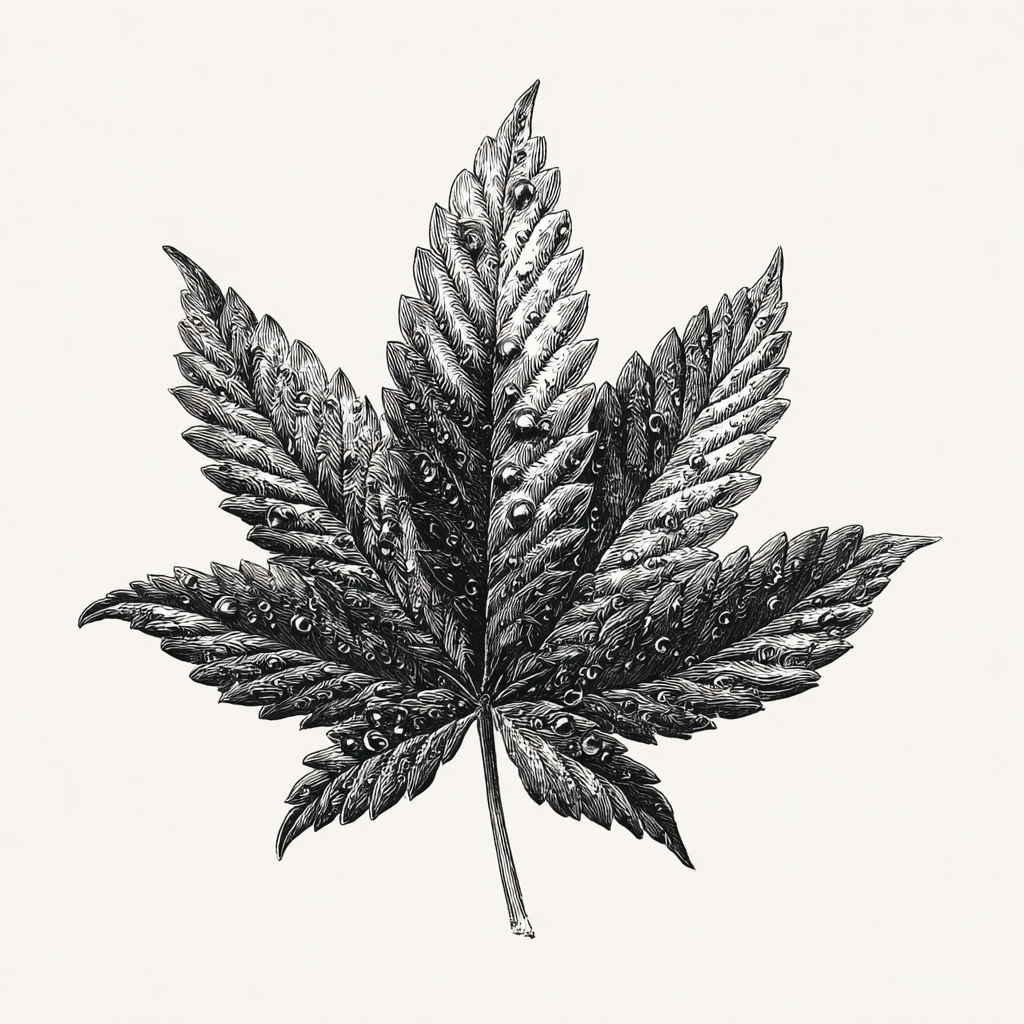
Medical cannabis comes from the therapeutic use of the Cannabis sativa plant, which contains chemical compounds called “cannabinoids.” Among these, THC and CBD are the most notable.
Cannabis (Cannabis sativa) is an annual plant native to the Himalayan mountain range that has been used for thousands of years for its medical and industrial properties. The cannabis plant is one of the oldest plants cultivated by humans for non-food purposes. Remains of hemp fiber dating back more than 6,000 years have been found in China, and clothing made from hemp fiber dating back more than 5,000 years has been found in Turkestan. The oldest record of the use of cannabis as medicine is found in the pharmacopoeia of the Chinese emperor Shen Nung and dates back more than 4,000 years, in which it was recommended for the treatment of pain, colds, and menstrual disorders, among many others (1). Wherever humans have gone throughout history, they have taken the cannabis plant with them: for example, the first Bible was printed on hemp paper, and the sails of the caravels that took Christopher Columbus to America were made from hemp fiber. As for its medical uses, the boom in medical publications on cannabis occurred between 1840 and 1900, a period in which more than 100 scientific articles (an extremely high number for the time) were published recommending it for the treatment of various ailments (2).
The emergence of synthetic drugs, on the one hand, and the lack of knowledge about the mechanism of action of the compounds present in the plant, on the other, together with political pressures that began to limit its use for non-medical reasons, led to a loss of medical interest in cannabis. However, in recent decades, interest has been revived, as more has become known about both the compounds present in the plant and the neurobiological mechanisms by which it acts. Today, there are scientific societies focused specifically on the medical study of cannabis and cannabinoids, both nationally and internationally, spread throughout the world.
The cannabis plant is a veritable machine for producing biological compounds. Its flowers synthesize more than 100 compounds that are unique to the cannabis plant and are called cannabinoids, in addition to terpenes and flavonoids (which also have medicinal properties), polyphenols, amino acids, and vitamins, among many others, producing more than 500 different chemical compounds. The main psychoactive compound in cannabis is THC (delta-9-tetrahydrocannabinol), which is also the main therapeutic agent. Together with CBD (cannabidiol), the other important active compound in the plant but which has no psychoactive effect, these are the compounds that have been most studied to date and to which most medical uses are attributed, although they are not the only ones with therapeutic properties.
The cannabis plant is unique in herbal medicine: unlike other plants, where therapeutic products coexist with toxic products—and therefore in medicine it is often preferable to work with isolated active ingredients to avoid undesirable drug interactions—in the case of cannabis, the use of the plant has better tolerability than the use of THC alone. This is because the other compounds that accompany it modulate the final psychological effect of THC, improving its tolerability (3). A recent study based on a survey of 953 patients from 31 countries about their experiences with different forms of medical marijuana found that, “in general, non-pharmaceutical plant-based cannabinoid medications received higher ratings from participants than pharmaceutical products containing cannabinoids” (4).
In terms of their source, there are three types of cannabinoids: cannabinoids found in plants, or phytocannabinoids; synthetic cannabinoids; and cannabinoids found in animals, or endocannabinoids. To date, more than 100 phytocannabinoids have been discovered (the most important of which will be described in the next section). A curious fact is that while phytocannabinoids have only been found in the cannabis plant, endocannabinoids are present in all animals, from the simplest to humans. In fact, it is possible that the ability to synthesize cannabinoids endogenously was already present in a eukaryotic (single-celled) ancestor common to animals and plants and that later, starting from this common ancestor, the different lineages of animals and plants independently developed their own intercellular signaling systems based on cannabinoid compounds (5). Another option for finding cannabinoids is in scientific laboratories: thanks to advances in organic chemistry, cannabinoid compounds can be created in a laboratory, which is currently one of the main interests of the pharmaceutical industry due to the enormous therapeutic potential of these compounds.
1. Spinella, M. (2001). The psychopharmacology of herbal medicine. Plant drugs that alter mind, brain, and behavior. Cambridge, MA: The MIT Press.
2. Grinspoon, L. (1971). Marihuana Reconsidered. New York: Batman Book.
3. McPartland JM, Pruitt PL. (1999). Side effects of pharmaceuticals not elicited by comparable herbal medicines: the case of tetrahydrocannabinol and marijuana. Altern Ther Health Med. 5(4):57-62.
4. Hazekamp A, Ware MA, Muller-Vahl KR, Abrams D, Grotenhermen F.(2013).The medicinal use of cannabis and cannabinoids–an international cross-sectional survey on administration forms. J Psychoactive Drugs. 45(3):199-210.
5. Elphick MR, Egertová M. (2005). The phylogenetic distribution and evolutionary origins of endocannabinoid signalling. Handb Exp Pharmacol. 168:283-97.
Why is cannabis a medicine?
The interaction of cannabinoids with the ECS (endocannabinoid system) maintains the body’s balance.
It was only two decades ago that what is now known as the endocannabinoid system (ECS) was discovered, a system of chemical signals and receptors present in our body, on whose functioning certain actions depend. In other words, we carry cannabinoids within us that bind to specific proteins called cannabinoid receptors (CBRs) to modulate specific physiological processes. In fact, the endocannabinoid system is a complex system whose main role is to regulate the body’s homeostasis, that is, to restore endogenous balance, hence the importance of studying cannabinoids in modern medicine. The main endocannabinoids are anandamide (arachidonoylethanolamide) and 2-AG (2-arachidonoylglycerol), although more are gradually being discovered. The receptors to which endocannabinoids bind are mainly the so-called CB1 and CB2 receptors, although there are other types of receptors on which they act, as well as enzymatic processes involved in the action of cannabinoids, which are also responsible for regulating the ECS. New mechanisms and actions of the ECS are gradually being discovered, which is leading to a better understanding of its role in the involvement of different diseases (6).
Endocannabinoids act in the brain as neurotransmitters; that is, as substances responsible for transmitting information between neurons to achieve specific physiological effects. The endocannabinoid neurotransmission system is very unique compared to other neurotransmission systems such as the dopaminergic, glutamatergic, or serotonergic systems. Instead of sending messages from the “sending” neuron to the “receiving” neuron, in the ECS this transmission occurs in reverse: when there is an alteration in the neuronal system, endocannabinoids are sent from the receptors to the sending neurons so that they can modulate their activity.
For example, when a stroke occurs, large amounts of a neurotransmitter called glutamate are released, which can damage receptor neurons. In this case, to counteract this activity, the receptor neurons send endocannabinoids to the transmitters to cease their activity in a retrograde process (in the opposite direction to transmission), in an attempt to prevent further damage. The same occurs with other neuronal processes, which is why the ECS, as explained above, is fundamentally a homeostatic regulatory system. In fact, unlike other neurotransmission systems, endocannabinoids are not stored in neurons ready to be used when needed, but are synthesized “on demand”: when their action is necessary, a complex process of endocannabinoid synthesis is quickly set in motion for use, and once the damage is repaired, they are destroyed. This way in which endocannabinoids act to regulate imbalances in the body could lead us to believe that in some diseases, what has ultimately failed is the ECS, either due to insufficiency or because its response capacity has been exceeded.
CB1 receptors are mainly distributed throughout the brain, in the peripheral nervous system (sensory, sympathetic, and parasympathetic neurons (7)), and also, although in smaller quantities, in peripheral organs. The nervous system of the viscera is also rich in CB1 (8). Cerebral CB1 receptors modulate the functions responsible for motivation and cognition, are present and active in the early stages of embryonic development, indicating that they play an important role in neuronal development, and appear to play a key role in maturation processes (9). In contrast, CB2 receptors are located in peripheral tissues, mainly in the immune system, which is responsible for responding to external aggressions to the body, although they are also found in more restricted areas of the brain. It is also possible that CB2 receptors are responsible for protecting the body when inflammatory processes occur (10).
The widespread distribution of cannabinoid receptors in the human body is precisely what makes cannabis and cannabinoids, which are not a panacea and, as far as we know at present, do not cure any disease (although there are beginning to be promising results on the anti-cancer potential of some cannabinoids), capable of acting on the symptoms of many diseases: from nervous system disorders such as Alzheimer’s, epilepsy, and neuropathic pain, to immune system and inflammatory diseases such as multiple sclerosis and arthritis.
6. De Petrocellis L, Di Marzo V. (2009). An introduction to the endocannabinoid system: from the early to the latest concepts. Best Pract Res Clin Endocrinol Metab. 23(1):1-15.
7. Ständer S, Schmelz M, Merze D, Luger T, Rukwied R. (2005). Distribution of cannabinoid receptor 1 (CB1) and 2 (CB2) on sensory nerve fibers and adnexal structures in human skin. Journal of Dermatological Sciences. 38(3):177-88.
8. Sibaev A,Yüce B,Kemmer M,Van Nassauw L, Broedl U, Allescher HD, Göke B, Timmermans JP, Storr M. (2009). Cannabinoid-1 (CB1) receptors regulate colonic propulsion by acting at motor neurons within the ascending motor pathways in mouse colon. American Journal of Physiology, Gastrointestinal and Liver Physiology. 296(1):G119-28.
9. Mechoulam R, Parker LA. (2013). The endocannabinoid system and the brain. Annu Rev Psychol. 64:21-47.
10. Pacher P, Mechoulam R. (2011). Is lipid signaling through cannabinoid 2 receptors part of a protective system? Prog Lipid Res. 50(2):193-211.
What cannabis-based medicines are available today?
In Spain, there are few medicines, such as Sativex or Epidiolex, that are standardized, free of contaminants, and comply with European regulations.
The prohibition of cannabis has slowed down research into both its therapeutic properties and the development of pharmaceutical preparations. However, the restrictions on medical cannabis have not prevented users from developing a sophisticated arsenal of compounds and instruments for ingesting them. Today, there are numerous methods for extracting cannabinoids from the plant in a concentrated form, which can be ingested in different ways: smoked, vaporized, in tincture form, cooked in food, in sublingual drops, in creams, oils, etc. It is no longer necessary to smoke the plant, with all the respiratory risks that this can cause, as there are devices called vaporizers that vaporize the cannabinoids instead of burning them, thus avoiding all the risks of combustion.
Some of these vaporizers are recognized by regulatory agencies (such as the US Food and Drug Administration) as medical devices due to their proven effectiveness in vaporizing cannabinoids without combustion. So it can be said that there is a parallel development between recreational and medicinal cannabis users and the pharmaceutical industry, which in recent years has invested heavily in developing cannabis-based drugs. This does not mean that home-made devices and products are ideal, as they do not have the quality control necessary for medical use and generally do not allow for precise dosing.
The first cannabis-based drugs to be marketed were molecules similar to THC, called nabilone and dronabinol, which are taken orally and are indicated for the treatment of vomiting and nausea in cancer patients undergoing chemotherapy. More recently, the pharmaceutical company GW Pharmaceuticals has marketed a product called Sativex, which is a plant extract for sublingual use with a 1:1 concentration of THC and CBD (cannabidiol, another cannabinoid present in the cannabis plant). It is marketed for the treatment of multiple sclerosis and is awaiting approval for other indications. GW Pharmaceuticals has also developed a product based on purified CBD in an oil base, called Epidiolex, for the treatment of certain types of childhood epilepsy.
Finally, there is a Dutch company called Bedrocan that grows different varieties of marijuana for sale in pharmacies under the Dutch medical cannabis program. These varieties, each with different proportions of THC and CBD, are standardized, free of contaminants, and comply with European GMP (Good Manufacturing Practices) regulations for obtaining medical-grade cannabis (MGC). Bedrocan is currently based in Canada and the Czech Republic and exports to various European Union countries such as Italy and Germany, where there are official medical cannabis programs. What was considered a utopia years ago, namely having standardized pharmaceutical-grade marijuana, is now a reality that benefits many patients throughout Europe. Another example of a tested pharmaceutical-grade extract is CW1A from CW Botanicals, which produces a CBD-based whole plant extract of the Charlotte’s Web variety for the treatment of epilepsy, but for legal reasons in the US it is not registered as a medicine but as a dietary supplement.
For more information, visit Cannabmed, a platform dedicated to facilitating debate on medical cannabis from multiple angles: research, healthcare training, community processes, and public policy advocacy. For over a decade, this project has helped connect patients, healthcare professionals, researchers, and policymakers around the therapeutic potential of cannabis and the need for evidence-based regulatory frameworks.