For 15 years, the International Center for Ethnobotanical Education, Research, and Service (ICEERS) has been a pioneer accompanying the complexities involved in the globalization of traditional Indigenous medicines. Founded in 2009, ICEERS’ mission is rooted in ensuring that the sacred practices around Indigenous medicine use are respected, integrated safely, and regulated ethically, both in and beyond the countries of origin.
ICEERS’ approach in engaging with the complex process of plant medicine globalization has been two-fold:
- Containment: mitigating harms, unintended consequences, and impacts inherent to this process through Front Line Programs.
- Opening future pathways of inter-relational stewardship, ethically — through emergent processes — co-creating a future that strengthens all communities involved.
Over the years, ICEERS has accumulated a wealth of experience and knowledge, not only through remarkable achievements but also through critical lessons learned, the principal ones of which we summarize below.
Achievements and initiatives
1. Extensive clinical and observational research
ICEERS has carried out highly innovative, empirical research across multiple programs, and published more than 100 peer-reviewed articles, book chapters, and reports, contributing rigorous scientific evidence to support advocacy and regulatory recommendations. One example of the many groundbreaking studies is the first ever clinical trial of ibogaine for opioid dependence conducted by ICEERS, pioneering evidence-based treatment in harm-reduction contexts.
2. Advocacy and legal support
ICEERS established the Ayahuasca Defense Fund (ADF) to globally support people who suffer legal prosecution for plant medicine practice. Since 2010, ADF has provided legal support in over 350 legal cases in 46 countries, reducing harms, mitigating negative rulings, and setting legal precedents that respect human rights. ICEERS’ ongoing work at the United Nations and with policymakers worldwide has fostered international awareness and support for Indigenous rights and safer regulatory frameworks, at local, national and global levels.
3. ICEERS Academy
Transforming the lessons learned at the frontlines into information that builds capacity and fosters safety and ethics, ICEERS has launched a number of training programs. Each course is the first of their kind, including the AyaSafety course on harm reduction for facilitators. By 2024, ICEERS has trained over 300 facilitators across 10 countries, building stronger communities rooted in self-regulation and safety.
4. El Faro: integration and crisis support
ICEERS’ El Faro center has become a trusted global resource, providing free crisis intervention and integration support for those in need of assistance integrating challenging experiences. Since 2013, over 1500 people have been supported free of charge. The service also offers scientific information about medical and pharmaceutical interactions with psychoactive plant medicine, making it an essential harm-reduction hub for the global plant medicine community.
5. Indigenous partners support program
Over the years, ICEERS has fostered close collaborations with Indigenous wisdom keepers, providing technical and strategic support to processes related to Indigenous rights, governance, organizational capacity building, recognition of Traditional Healing Systems, advocacy, science and law. ICEERS supported the Indigenous Medicine Conservation Fund, an Indigenous-led organization focussed on biocultural conservation, ensuring that Indigenous communities can continue to protect their ancestral territories and sacred traditions.
6. The alliance of knowledge systems
Across its multiple programs, ICEERS work has increasingly focused on ‘scaling healing’ by weaving alliances between the diversity of knowledge systems that plant medicines are part of: learning how to come together in a complementary way to jointly analyze the root causes of our global crises, to learn from each other, and to allow for deeper understandings to emerge, which guide our strategies and work.
7. Community practices program
ICEERS has for many years been working to generate models for plant medicine practice that are embedded in community structures that are locally rooted and globally connected. Plant medicine practitioners come together for self-organization and self-strengthening — cultivating a culture of accountability and care — and establish collaborations with government bodies and NGOs for the health and well-being of all people involved. ICEERS has supported such processes in close to a dozen countries, providing facilitation, educational materials, and working with policy makers crafting regulation.
8. Outreach
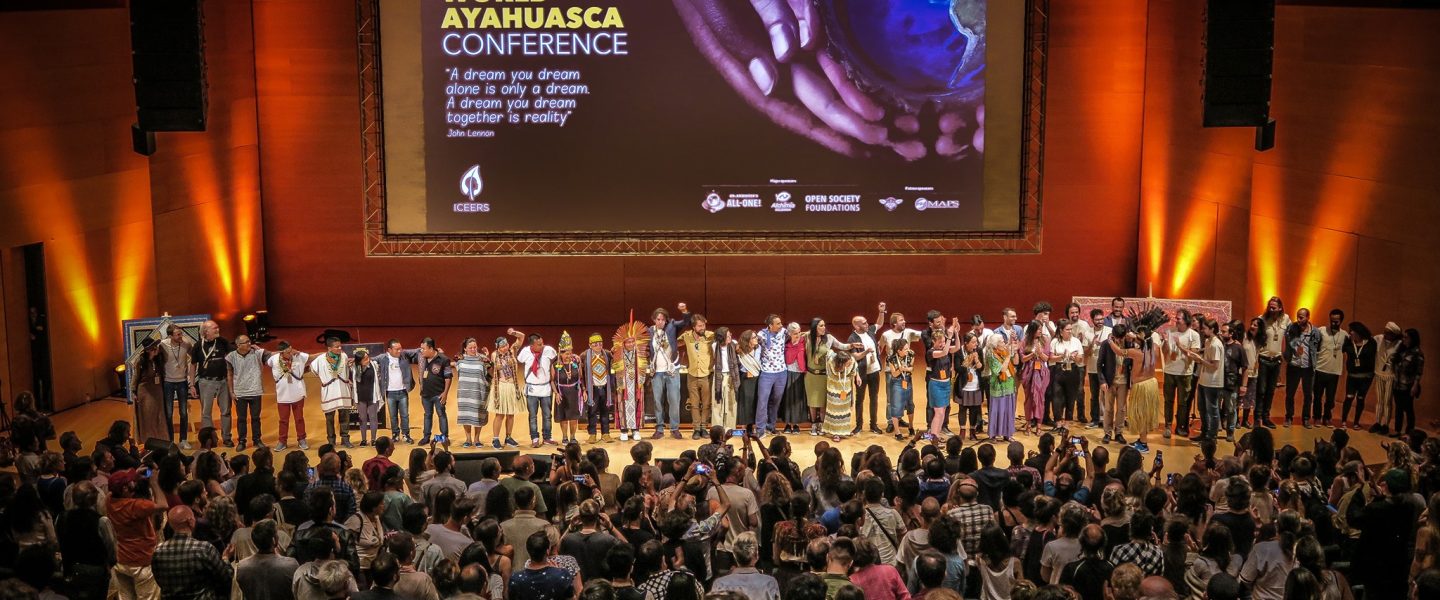
Since its inception, ICEERS has organized numerous events, from the first ever World Ayahuasca Conferences to TEDx talks and more. Not only have these events contributed to a better informed and more open-minded and respectful global understanding of plant medicines; they have also constructed an intercultural, global process of alliance building to steward plant medicine globalization with the orientation and guidance of Indigenous elders. Through documentaries, co-authored publications, and partnerships with academic institutions, ICEERS has been a key driver in significantly shifting public perception and underscoring the importance, value, and rights of Indigenous knowledge systems.
Lessons learned
1. The importance of cross-cultural collaboration
At ICEERS, we have learned that respectful and genuine partnerships with Indigenous communities are essential to creating sound frameworks that honor the origins of traditional plant medicines. Collaborations through programs like the Alliance of Knowledge Systems have reinforced the value of Indigenous wisdom in building truly holistic approaches that respect and work for both traditional and Western perspectives.
2. Navigating complex legal and regulatory environments
The legal landscape for Indigenous medicines remains challenging, with the governments of many countries still prosecuting plant-based ceremonies. ICEERS’ experience demonstrates that building strong alliances with legal experts and policymakers is critical. The advocacy work through the Ayahuasca Defense Fund has illustrated the power of a global network to protect the rights of practitioners and communities alike, but has also underscored the need for ongoing and improved safety standards.
3. The value of self-regulation and harm reduction
ICEERS has emphasized community self-regulation as a fundamental step in ensuring safe and ethical practices in plant medicine ceremonies. The AyaSafety training course and the development of harm-reduction protocols work to support this commitment. Feedback from courses indicate that training facilitators has been transformative in setting important standards of transparency, accountability, and safety that have helped to reduce risks and foster ethical engagement.
4. Balancing rigorous research with cultural sensitivity
Conducting research in the field of traditional medicines involves unique challenges, from securing ethics approvals to respecting Indigenous cultural protocols. ICEERS has learned that rigorous scientific practices must be harmonized and decolonized in order to respect different knowledge systems. Pilot phases and collaborative research protocols have enabled ICEERS to uphold scientific standards while adhering to ethical standards and honoring the cultural aspects of these practices.
5. Awareness-raising and dissemination
Raising awareness is vital in order to shift public perceptions and reduce stigma, thereby also supporting policy changes. Through conferences, workshops, and educational media, ICEERS has succeeded in building bridges between Indigenous and Western perspectives on healing. ICEERS has continued to mainstream awareness-raising and dissemination of key information in all its programs, thus playing a pivotal role in fostering understanding and de-stigmatizing Indigenous practices across levels and sectors.
6. Adapting to unexpected challenges
ICEERS’ journey has been marked by numerous unexpected obstacles, due to all kinds of unforeseen events including abrupt political shifts or logistical issues. In such instances, flexibility and adaptive planning have been imperative, enabling ICEERS to adjust approaches while remaining true to its core objectives. The El Faro center, for example, had to reformulate its support services in response to increasingly complex consultations, reinforcing the need for scalability in community support structures.
7. Prioritizing sustainability
Sustainable resource management and community-led conservation is crucial to preserving Indigenous traditions and supporting harmonious biocultural systems long into the future. ICEERS technical support to IMC Fund’s establishment marks precisely this: a commitment not only to biocultural rights, but also to ethical engagement and mutually beneficial partnerships. . Initiatives like the ibogaine trial in Catalonia also demonstrate a commitment to equitable models that prioritize the welfare of Indigenous and local communities.
Conclusion
We are at a critical moment in which Indigenous and non-Indigenous cultures can come together collaboratively to steward a future of ayahuasca globalization that strengthens everyone involved, and sets an example of intercultural governance and co-leadership, overcoming the divide between Indigenous and non-Indigenous worlds by aligning key processes on both sides.
ICEERS’ 16-year journey highlights both the remarkable value and role of Indigenous plant medicines in healing, as well as the significant challenges simultaneously posed by their to-date haphazard globalization. From building partnerships with Indigenous wisdom keepers to developing rigorous scientific research and advocating for legal reform and ethical policy changes, ICEERS has carved a path toward respectful and mutually beneficial cross-cultural collaboration and multi-way learning. The achievements and lessons learned are essential not only for ICEERS but also for the entire global community, and especially to those seeking to support Indigenous medicines and their guardians in ways that honor their sacred origins.
As plant medicines continue to rapidly gain global attention, ICEERS’ approach serves as a model for responsibly and ethically integrating traditional knowledge and practices into contemporary society. By upholding respect, safety, and sustainability, ICEERS envisions a world where plant medicine practices can flourish in partnership with Indigenous communities, benefiting both individuals and communities, and thus the collective well-being of humanity.