
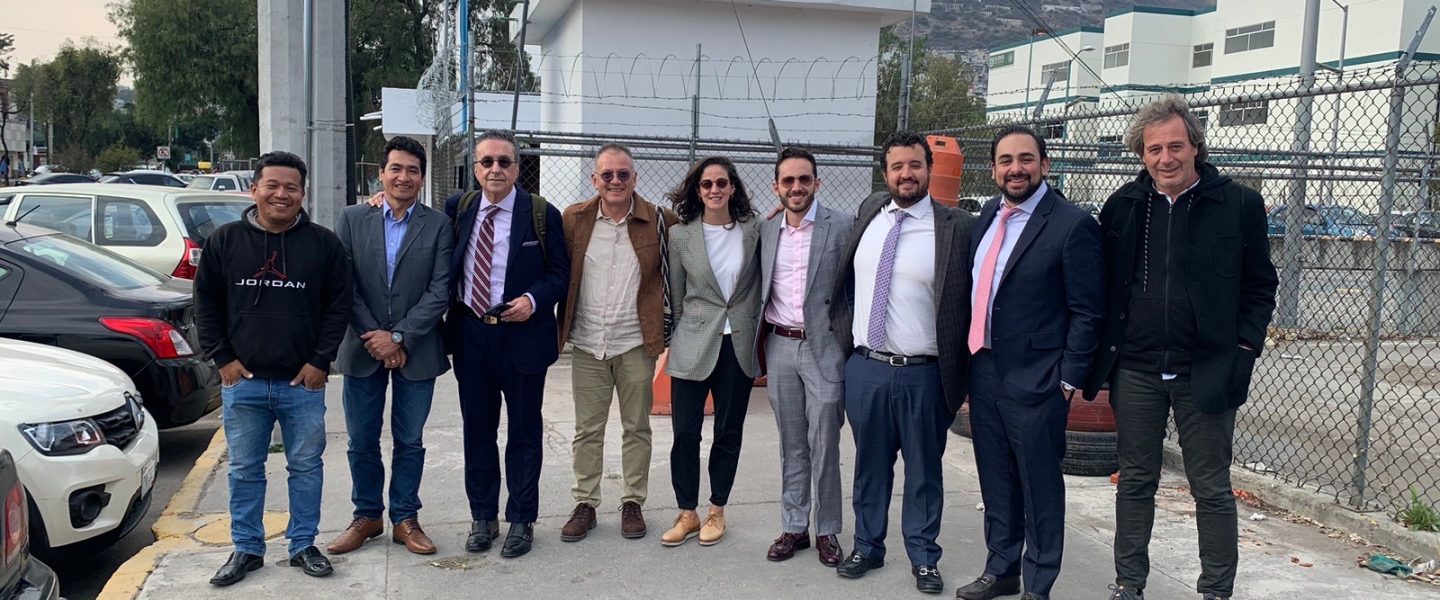
Over the past decade, ICEERS has supported 448 legal cases in 49 countries involving traditional plant practices — revealing global patterns of criminalization and emerging challenges for communities worldwide.
In 2014, at the first World Ayahuasca Conference in Ibiza, a seed was planted. Practitioners, researchers, and legal experts came together around a shared concern: across the globe, people were being arrested, prosecuted, and imprisoned for engaging in ancestral plant practices — traditions carried by Indigenous communities for centuries. Two years later, that seed took root. The Ayahuasca Defense Fund (ADF) became a formal program within ICEERS, giving structure to legal defense work the organization had been developing since 2010.
Now, a decade after its formal launch, ICEERS’ legal support program has grown into one of the most significant international legal defense initiatives in this field. As 2026 begins, we reflect on a year of milestones, emerging challenges, and an ever-expanding global footprint.
2025 by the numbers
This year, the program received 59 new cases — making it one of our busiest years on record. Of these, nine involved members of Indigenous communities, reaffirming our commitment to protecting the cultural rights of the peoples who have safeguarded these practices for generations.
As in previous years, ayahuasca remains at the center of the legal landscape, accounting for 33 of the 59 cases. Psilocybin mushrooms and coca leaf followed with five cases each.
Geographically, Spain continued to lead with 17 cases — reflecting both the country’s active ayahuasca community and the legal gray zones in which many practitioners operate. The United States followed with seven cases, Mexico with four, and the United Kingdom, Turkey, Germany, and Chile each with three. In total, cases arrived from 21 different countries.
With these additions, ICEERS’ legal support program has now provided assistance in 448 cases across 49 countries since its inception.
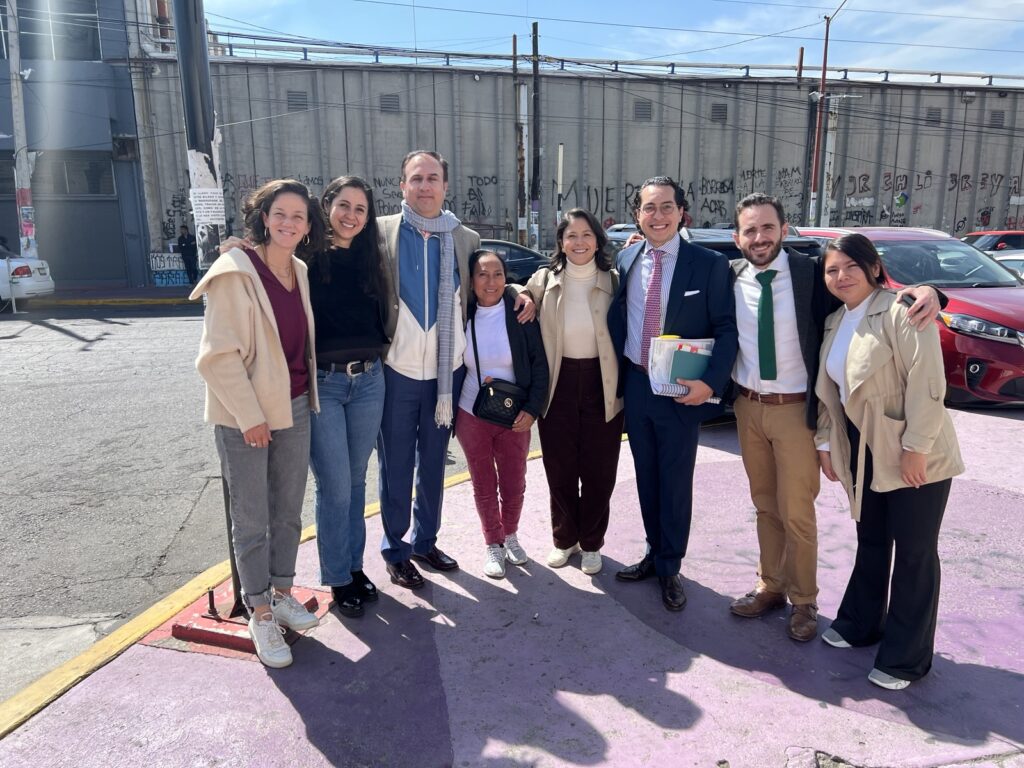
A decade of growth — and what it tells us
Looking at the numbers year by year, the trajectory of this work reveals not only the growth of our program, but also the broader story of the globalization of plant practices and the legal friction that accompanies it.
In 2018, we handled 19 cases. By 2021 and 2022, that number peaked at 62. A slight dip to 43 in 2023 was followed by a renewed upward trend — 51 in 2024 and 59 in 2025. These fluctuations mirror shifts in law enforcement attention, emerging legal precedents, and the growing awareness of ICEERS’ legal support program within the global community.
Over ten years, patterns have become clearer. Criminalization is not decreasing; it is diversifying. What began predominantly as cases involving ayahuasca has expanded to include a broader spectrum of ancestral medicines. What was once concentrated in a handful of countries now spans nearly fifty. And while many of the individuals we support are practitioners or ceremony participants, the legal contexts in which they find themselves vary enormously — from trafficking charges based on misidentified substances to religious freedom claims and constitutional challenges.
As cases continue to arise, we also witness the ongoing collision between millenary traditions and modern legal systems designed without them in mind.
New trends, new concerns
The 2025 data also revealed several trends that merit close attention from the community.
Family disputes as a new frontier of criminalization. Four of this year’s cases involved custody or family disputes in which the use of traditional plants was weaponized as an argument against one of the parents. This represents a troubling development that extends the reach of criminalization into the private sphere — using plant practices not as evidence of a crime, but as a character argument in family courts.
Indigenous healers at the crossroads of globalization. The globalization of plant practices has created a paradox that becomes increasingly difficult to ignore: as interest in ancestral healing traditions grows worldwide, the Indigenous practitioners who carry this knowledge are becoming more vulnerable, not less.
In 2025, we continued to see cases involving Indigenous healers traveling internationally with their traditional medicines only to be detained, prosecuted, or deported upon arrival. In most of these situations, the authorities involved had no understanding of the cultural and spiritual nature of the substances, no awareness that Indigenous practices receive protection under international human rights instruments such as the UN Declaration on the Rights of Indigenous Peoples, and no institutional protocol for distinguishing traditional use from illicit trafficking.
At the same time, many of these situations originate in ceremonies or retreats organized without proper legal groundwork. Organizers who invite Indigenous healers abroad frequently fail to assess the regulatory environment in the host country, neglect to arrange legal counsel, and in some cases assume no responsibility when things go wrong. The healer ends up facing the consequences alone — criminal charges in the worst scenario, deportation in the best.
This represents not only a legal failure but an ethical one. If the global community values these traditions enough to seek them out, it must also value the people who carry them enough to protect them.
Malpractice and safety incidents. Reports of malpractice by facilitators or retreat centers have increased. While these cases represent a small fraction of the overall landscape, they raise serious concerns. They underscore the urgent need for community self-regulation, practitioner training, screening protocols, and the integration support structures that ICEERS has long championed through its Support Center and risk reduction initiatives.
These incidents also highlight a paradox: the very criminalization that governments pursue in the name of public health often prevents the establishment of quality standards, harm reduction protocols, and accountability frameworks that would genuinely protect participants.
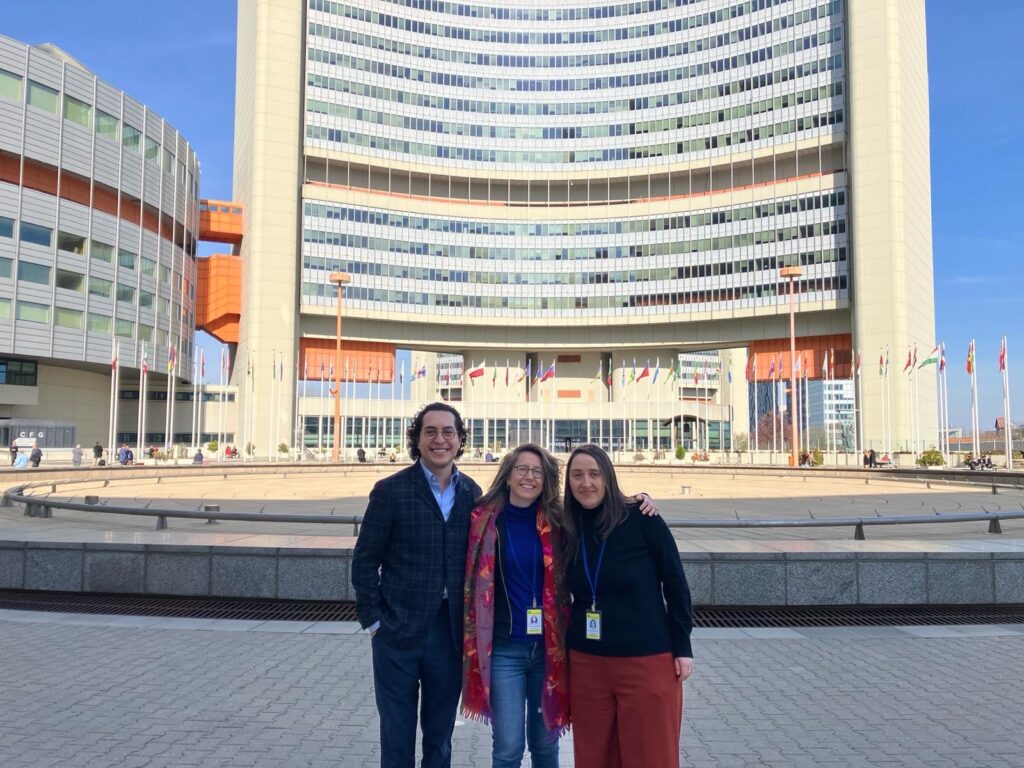
A global presence with local roots
One of the most remarkable aspects of ICEERS’ legal support program over the past decade lies in the geographic diversity of the cases it addresses. From courtrooms in Bali to legal proceedings in Canada, from police stations in rural Spain to constitutional challenges in Mexico City, our team has navigated a wide array of legal systems, cultural contexts, and political environments.
The addition of new countries to the program’s map in 2025 holds particular significance. It signals that the globalization of plant practices continues to expand into regions where legal frameworks often remain underdeveloped, public awareness remains limited, and defendants may have fewer resources available.
Every new country on the map represents a person who found themselves in crisis with nowhere else to turn. A border crossing that went wrong. A ceremony interrupted by police. A package flagged at customs. A neighbor’s complaint triggering an investigation. The map does not represent a strategic expansion plan — it reflects the path along which criminalization has traveled.
Across these contexts, our approach remains consistent: providing expert scientific and legal opinions, connecting defendants with local counsel, sharing precedents from other jurisdictions, and ensuring that the most current pharmacological evidence reaches judges and prosecutors — many of whom encounter these substances for the first time in their careers.
In countries with robust legal systems and strong rule of law, the work remains primarily technical: ensuring that the right evidence reaches the right decision-maker. In countries where judicial independence proves weaker, where pretrial detention can stretch for months, or where consular access remains limited, the work often expands into broader human rights advocacy.
Looking ahead
As we mark a decade of this work, we do so with gratitude and resolve. Gratitude to the community that has sustained this effort through donations, solidarity, and the courage of those who share their stories. And resolve to continue building toward a world where ancestral plant practices receive understanding, respect, and protection under the law.
The work ahead remains significant. The growing use of plant practices as a weapon in family disputes, the ongoing safety concerns surrounding unregulated retreats, and the expanding geographic frontier of criminalization all demand sustained attention and resources. At the same time, there are reasons for hope: favorable court rulings in multiple jurisdictions, a growing body of scientific evidence supporting the safety and therapeutic potential of these substances, and an increasingly organized global community that refuses to accept criminalization as the default response.
Finally, we want to honor every person who has helped build this program into what it is today. As ICEERS enters a new chapter, we look back with deep gratitude at those who envisioned the Ayahuasca Defense Fund, those who shaped it through countless hours of quiet, often invisible work, and those who carried it forward through the most difficult moments. Some were there from the very beginning; others joined along the way. All of them gave something of themselves — their time, their expertise, their conviction — to ensure that no one would face criminalization alone.
To the founders, the scientific program, the legal advisors, the steering committee members, the staff, the volunteer lawyers across dozens of countries, and the donors who believed in this mission before the world paid attention: this decade belongs to you. Whatever comes next will be built on the foundation you laid.
Our mission remains unchanged: to help shift the criminalizing narrative surrounding sacred plants and to contribute to a more just, evidence-based, and culturally respectful regulatory landscape. Ten years in, we remain more committed than ever.
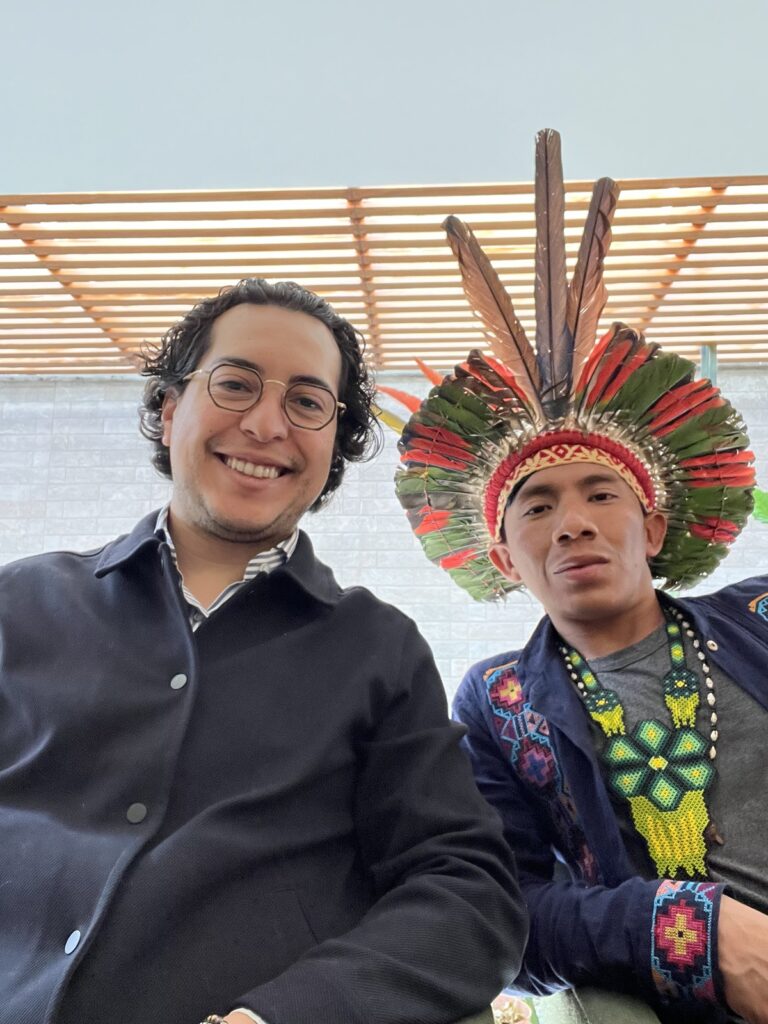
Legal support and community
For more than a decade, ICEERS has provided legal support free of charge to individuals facing criminal charges related to traditional plant practices. This work — originally known as the Ayahuasca Defense Fund — continues today as ICEERS’ legal support program, offering scientific expertise, legal guidance, and coordination with defense teams in complex cases around the world.
However, many of the situations we encounter reveal a deeper pattern: legal crises often emerge in environments where communities lack access to reliable information, legal orientation, or spaces to discuss risks before problems arise.
For this reason, ICEERS has recently launched Community Circles — a space designed to support the broader ecosystem surrounding traditional plant practices. Through these circles, practitioners, organizers, and community members can access dialogue spaces, educational resources, and expert perspectives — including guidance on legal contexts and risk awareness in different countries.
While the legal support program continues to respond to urgent cases of criminalization, Community Circles aim to strengthen the community’s capacity for prevention, responsibility, and informed decision-making. Because ultimately, the most effective form of legal defense begins long before a courtroom.